

Choosing the right kitchen sink is a key decision when designing any kitchen, as it directly impacts both the functionality and aesthetic appeal of the space. A properly selected sink makes everyday tasks more efficient while seamlessly fitting into the kitchen layout. In this blog, we’ll explore essential aspects such as standard kitchen sink dimensions, sink height, and innovative ideas to help you elevate your kitchen design to the next level.
The Importance of Choosing the Right Standard Kitchen Sink Dimensions
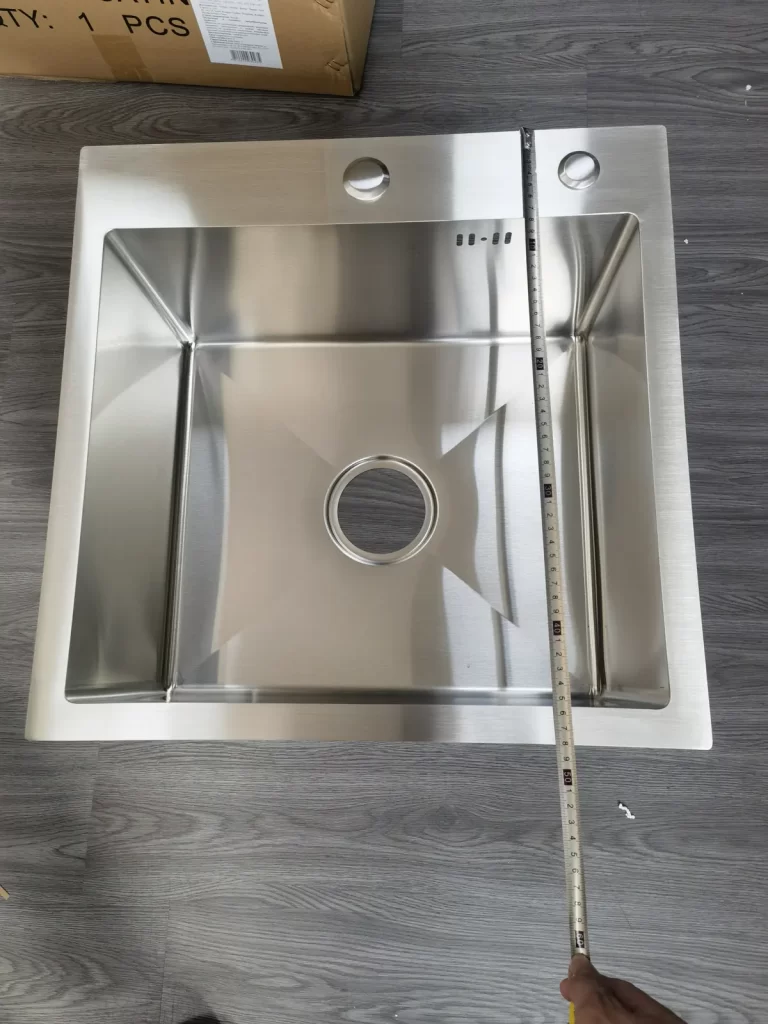
When it comes to kitchen sinks, size definitely matters. Standard kitchen sink dimensions generally range from 22 to 33 inches in length, with widths varying between 18 to 22 inches. But selecting the right size for your sink isn’t just about adhering to these general guidelines—it’s about tailoring the sink to suit your specific space and needs.
For larger kitchens, opting for a wider or deeper sink can accommodate the demands of a busy household or commercial environment, providing ample space for washing, rinsing, and food prep. In contrast, compact kitchens benefit from more streamlined, smaller sinks that maximize counter space while still providing practical functionality.
Depth is another critical factor to consider. While a depth of around 9 to 10 inches is standard for most kitchen sinks, deeper sinks are ideal if you’re dealing with larger pots, pans, or dishes on a regular basis. Conversely, shallower sinks (7 to 8 inches) are more ergonomic for smaller kitchens or spaces where counter height is limited.
The right dimensions go beyond just fitting the sink into a counter cutout. The goal is to ensure that the sink complements the overall kitchen layout, allowing for seamless workflow while also enhancing the visual balance of the room.
Understanding the Standard Height of Kitchen Sink and Drain Configuration
Equally important as the sink’s dimensions is its installation height. Typically, the standard height of a kitchen sink is between 34 to 36 inches from the floor to the countertop. This height is optimal for reducing strain during everyday tasks, such as dishwashing or food preparation, making it comfortable for most users.
However, there is some room for flexibility depending on who will be using the sink and the overall design of the kitchen. If the sink is being installed in a kitchen where ergonomic needs vary, you can adjust the height slightly to suit different preferences. For example, a lower sink height may be more convenient for shorter individuals, or for specific tasks like heavy-duty dishwashing in commercial kitchens.
Another crucial aspect to consider is the kitchen sink drain setup. A typical kitchen sink drain measures about 3.5 inches in diameter, which is standard for most configurations. The drain should work efficiently with your plumbing system to ensure quick water flow and prevent blockages, particularly in high-usage environments.
Proper drainage not only maintains the functionality of the sink but also helps avoid potential plumbing issues in the future. Matching your sink with the right drainage system ensures smoother operations, whether in a home or a busy professional kitchen.
Innovative Kitchen Sink Ideas to Inspire Your Kitchen Design
Modern kitchens are constantly evolving, and so are the designs and functions of kitchen sinks. While a sink’s primary purpose remains practical, today’s kitchen sink ideas offer a wealth of options to enhance the kitchen’s overall style and usability. Here are some of the most popular and innovative ideas:
- Double-basin sinks: These sinks offer two separate compartments, making it easier to handle multiple tasks simultaneously, such as washing dishes in one basin while rinsing vegetables in the other. This setup is ideal for homes or kitchens that handle a high volume of activity.
- Undermount sinks: Gaining popularity due to their sleek, minimalist look, undermount sinks are installed beneath the countertop, eliminating any raised edges. This design makes cleaning countertops easier and creates a seamless, modern aesthetic.
- Workstation sinks: These sinks are equipped with built-in accessories like cutting boards, colanders, and drying racks, effectively turning the sink into a multifunctional workspace. This design saves valuable counter space and streamlines meal prep and cleanup processes.
- Integrated drainboard sinks: These sinks feature built-in drainboards that allow excess water to drip directly into the sink, making them a practical choice for kitchens with limited counter space. Integrated drainboards also contribute to a cleaner, more organized kitchen environment.
- Portable kitchen sinks: A more flexible option, portable kitchen sinks are ideal for settings where mobility is key, such as outdoor kitchens or temporary setups. Despite being easy to move and install, they offer the same level of durability and functionality as traditional sinks.
Choosing the right sink style not only enhances the kitchen’s functionality but also contributes to the overall design aesthetic. Whether it’s a double-basin sink for multitasking or an undermount sink for a minimalist look, selecting the right option can significantly improve the way your kitchen operates.
Final Thoughts
Selecting the perfect kitchen sink involves more than just picking a design that looks great. It’s about balancing style with functionality, ensuring that the sink serves its purpose efficiently while complementing the overall design of the kitchen. Understanding the nuances of standard kitchen sink dimensions, installation height, and drainage configurations can make all the difference in creating a workspace that is both practical and visually appealing.
Whether you’re designing a compact home kitchen or a large, professional-grade setup, the right sink can transform the kitchen into a space that’s both efficient and enjoyable to work in. With a wide range of sink options available—from traditional designs to the latest kitchen sink ideas—you can customize your kitchen to suit your unique needs and preferences.
A well-chosen sink isn’t just a fixture; it’s a vital component of a kitchen’s functionality and style. Make sure you consider all aspects of sink design to ensure your kitchen is not only beautiful but also highly functional.