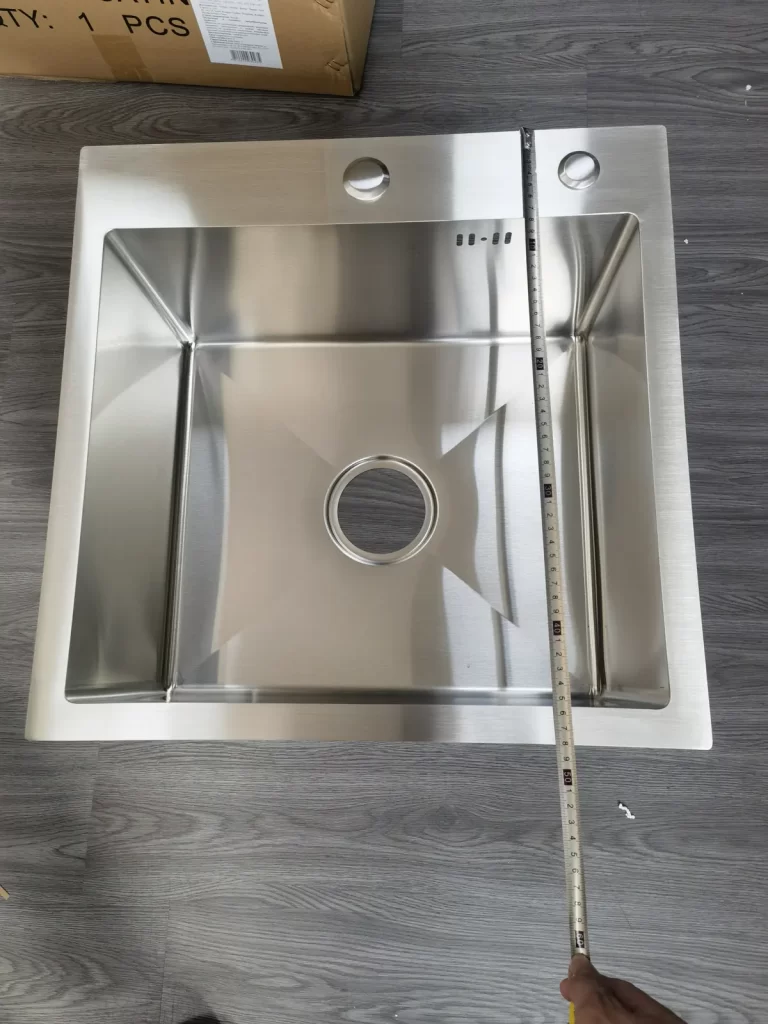


A well-functioning kitchen sink starts with effective drainage. Understanding how water flows through your sink can prevent common issues like clogging and slow drainage. By focusing on a kitchen sink top view, you can gain better insight into your drain system’s operation. In this article, we’ll walk you through the key components of a good kitchen drainage setup, including the role of the kitchen sink drain pipe and the waste disposal unit in keeping everything running smoothly.
Kitchen Sink Waste Disposal Unit: The Key to Smooth Drainage
Installing a kitchen sink waste disposal unit can make a world of difference in keeping your sink free from blockages. This device grinds up food waste, allowing water to flow freely through the drain without obstruction. To ensure your waste disposal unit works as it should, use the correct pipe sizes and make sure the connections are tight and secure to prevent leaks and slow drainage. A properly maintained disposal unit can reduce maintenance costs and keep your sink functioning for longer.
Moving Kitchen Sink: How to Reinstall and Set Up Drainage Properly
Moving a kitchen sink might seem challenging, but with a little preparation, you can make the process smooth and hassle-free. The key is ensuring the kitchen sink drain pipe is correctly reinstalled and aligned to avoid leaks or slow drainage. Be sure to choose high-quality materials, such as durable PVC or stainless steel, for the drain pipe. Additionally, don’t forget the importance of installing a bottle trap for your kitchen sink to prevent unwanted blockages and ensure everything drains properly.
Kitchen Sink Drain Pipe: Essential for Clear Water Flow
A kitchen sink drain pipe is crucial for a functional sink. It channels water from the sink to the waste system, and choosing the right pipe is vital for smooth operation. In this guide, we’ll explore the best practices for selecting and installing a kitchen sink drain pipe, as well as how to prevent common issues like leaks and clogs. Properly maintaining your kitchen sink waste disposal unit and using the right pipe materials will keep water flowing freely and your sink in top shape.
Bottle Trap for Kitchen Sink: Preventing Clogs and Blockages
Installing a bottle trap for your kitchen sink is one of the simplest ways to keep the drain clear and prevent clogs. Positioned beneath the sink, it traps food debris before it reaches the drainpipe, making cleaning easier and reducing the risk of blockages. When choosing a bottle trap for your kitchen sink, ensure it fits securely and matches the sink’s specifications. Regular cleaning and maintenance of the bottle trap will keep your sink draining smoothly and prevent build-ups.
Kitchen Sink Waste Disposal Unit: Ensuring Proper Drainage
A kitchen sink waste disposal unit plays an important role in keeping your sink’s drainage system functioning properly. By grinding food waste, it helps prevent clogs and allows water to drain freely. In this post, we’ll discuss the benefits of installing a waste disposal unit, how it works with the kitchen sink drain pipe, and why a bottle trap is important for maintaining clear drainage. With a few simple steps, you can ensure your kitchen sink remains efficient and easy to maintain.