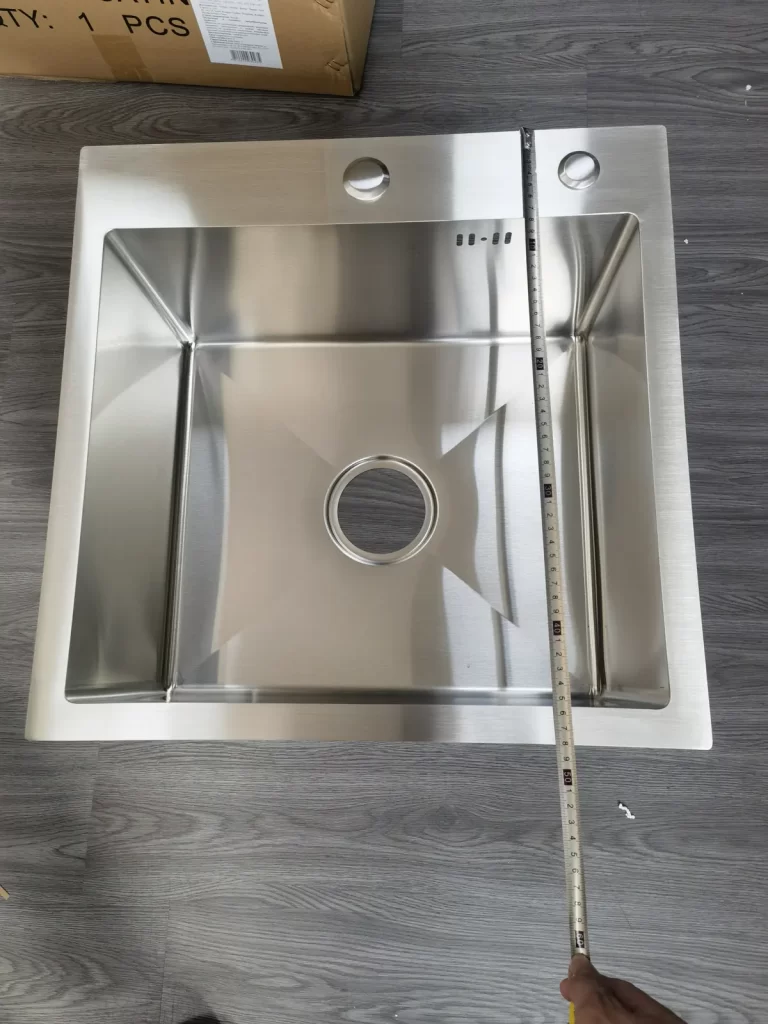


When customers report rust issues with their sinks, it’s often due to improper use and maintenance practices. As professional manufacturers of stainless steel sinks, we understand how to effectively prevent these common problems.
Kitchen Sink: Durability, Hygiene, and Aesthetic Appeal
Stainless steel sinks are prized for their durability, hygiene, and modern aesthetic appeal. They contain high levels of chromium, which forms a protective oxide layer that shields against rust. However, if this layer is compromised due to incorrect usage or cleaning methods, the sink can still rust.
Sink Cleaning: Choosing Suitable Tools and Methods
Proper cleaning is crucial to prevent rust on stainless steel sinks. To maximize the sink’s lifespan, follow these steps:
- Tool Selection: Use soft cloths, microfiber towels, or non-abrasive sponges to clean the sink surface. Avoid harsh cleansers, steel wool, or abrasive brushes as they can scratch the stainless steel and damage its protective layer.
- Cleaning Agents: Opt for mild cleaners specifically formulated for stainless steel. Avoid products containing chlorine, bleach, or ammonia, as these can harm the protective layer and corrosion resistance of the sink.
Regularly clean the sink to remove water spots, soap residue, and food particles to effectively reduce the risk of rust.
Proper Maintenance to Extend Kitchen Sink Lifespan
In addition to regular cleaning, proactive maintenance is essential for preventing rust and prolonging the sink’s life:
- Avoid Prolonged Exposure: Prevent acidic or salty substances (like vinegar, citrus juices, or salt) from sitting on the sink surface for extended periods, as they can corrode the stainless steel.
- Thorough Rinsing: Immediately rinse the sink with clean water after use to remove any potential corrosive residues.
- Dry Thoroughly: After cleaning, dry the sink surface with a clean cloth to prevent water spots and mineral deposits that can lead to rust formation.
- Use Protective Treatments: Periodically apply stainless steel care products or protective coatings to enhance the effectiveness of the oxide layer and maintain the sink’s appearance and durability.
Common Mistakes Leading to Sink Rust
Understanding the common mistakes that contribute to sink rust can help you avoid future issues:
- Improper Cleaning Products: Avoid using strong acids, alkalis, abrasive cleaners, or metal brushes that can scratch the stainless steel surface and compromise its corrosion resistance.
- Neglecting Regular Maintenance: Regular cleaning and maintenance are essential to preserve the sink’s appearance and functionality, preventing dirt buildup and protecting the coating from corrosion.
Conclusion
By following these tips for proper use and maintenance of stainless steel sinks, you can effectively prevent rust issues and ensure long-term durability and aesthetics. As dedicated sink manufacturers, we are committed to providing high-quality products and valuable maintenance advice to help you maintain a clean and elegant kitchen environment. For more information on stainless steel sink maintenance tips or to explore our product range, please contact our customer service team. We are here to support you in keeping your kitchen free from rust issues and ensuring lasting durability.